Preserving Natural Habitats: Balancing Development and Conservation in Land Clearing Dec 21, 2025
The process of land clearing involves removing trees, stumps, and other obstructions to prepare land for agricultural or urban development. For Lanes Land Management, the goal goes beyond clearing space; it is about mindful integration with nature. This includes strategies that protect wildlife and conserve natural resources.
One critical aspect of responsible land clearing is understanding the local ecosystem. Each habitat has unique characteristics and hosts diverse species. Recognizing these elements allows for tailored approaches that minimize ecological impacts. Lanes Land Management conducts comprehensive assessments before starting any project. This assessment includes studying the terrain, soil composition, and existing flora and fauna. Such preparatory work ensures that the necessary precautions are taken to avoid unnecessary disruption.
Selective clearing is a method often employed to strike a balance between development and conservation. Rather than clearing an entire area, selective clearing involves removing only specific trees or plants. This approach helps maintain the integrity of the habitat while still providing the space needed for development. For instance, preserving large trees can create natural buffers that protect smaller plant communities and provide habitats for birds and other wildlife.
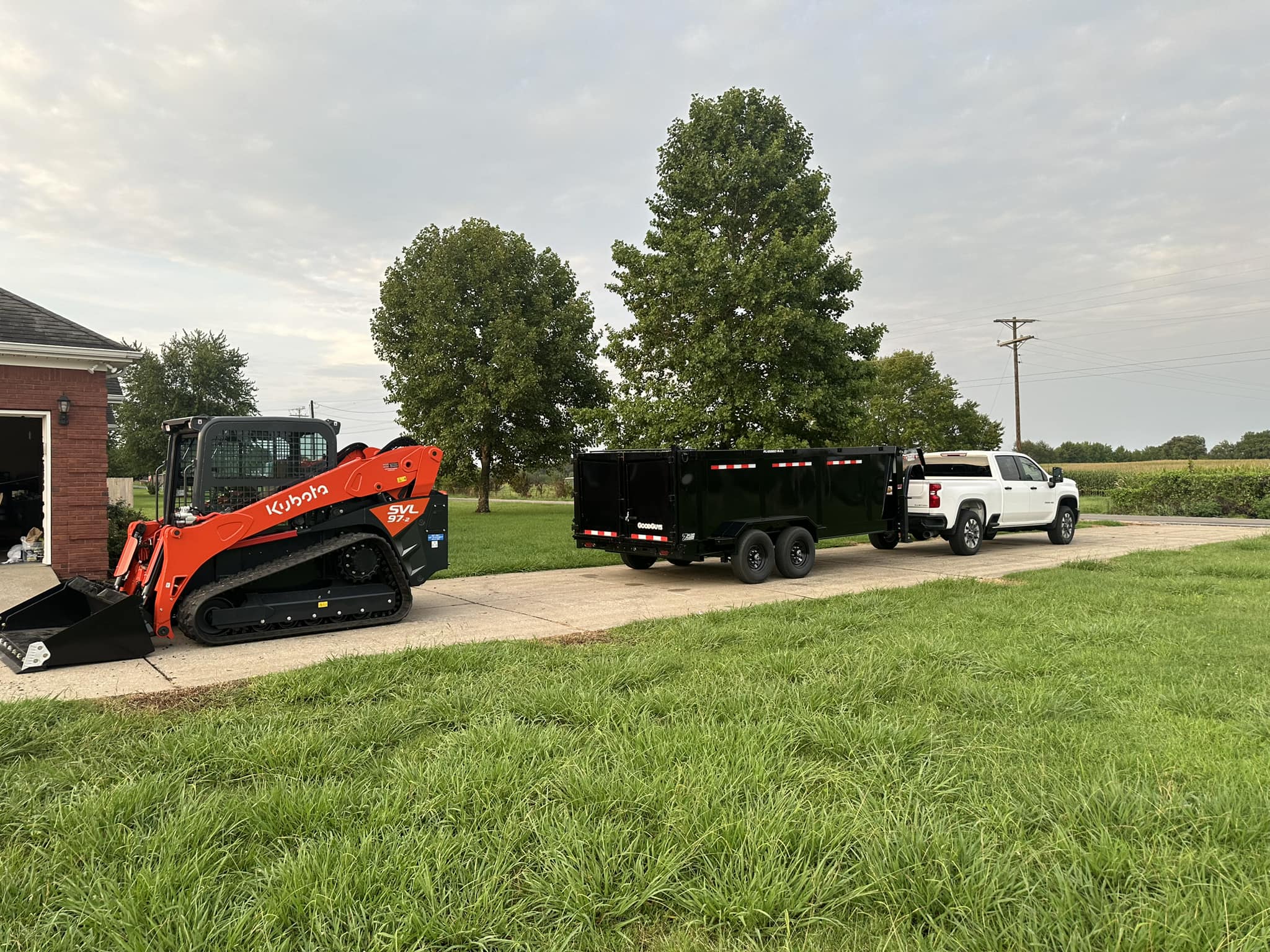
Moreover, Lanes Land Management prioritizes the use of sustainable practices. By employing advanced machinery and techniques, they reduce soil erosion and degradation. Erosion control is crucial in preserving the soil quality and preventing negative runoff into nearby water bodies. Implementing measures like silt fences and replanting native vegetation also helps maintain biodiversity.
Community engagement is another pillar of effective land management. Lanes Land Management actively collaborates with local communities, landowners, and environmental groups to ensure transparency and mutual understanding of project goals. This collaborative approach not only upholds community interests but also fosters awareness and shared responsibility for the environment.
The company also leverages technology to enhance conservation efforts. Utilizing GIS mapping tools and remote sensing, they can accurately plan and monitor land clearing activities. This not only improves efficiency but also helps in making informed decisions that align with conservation targets.
In conclusion, balancing development and conservation through land clearing requires a thoughtful and deliberate approach. Lanes Land Management stands out by integrating ecological awareness into their projects. By focusing on techniques such as selective clearing, sustainable practices, and community involvement, they set a benchmark for responsible land management. As urban expansion continues, companies like Lanes Land Management are essential in preserving natural habitats while supporting modern growth.
This philosophy ensures that future generations inherit not just thriving urban landscapes but also healthy ecosystems. For landowners and developers, partnering with a land management company committed to conservation principles is a step towards sustainable development. Through innovative practices and a commitment to preserving natural habitats, Lanes Land Management leads the way in achieving a balance between progress and preservation.
/filters:no_upscale()/filters:format(webp)/media/98ed1c6e-35f2-4e3f-a4dc-0279b93c9a0b.jpg)
/filters:no_upscale()/filters:format(webp)/media/82beee98-e8d9-4b43-b7ad-b1157d24961b.jpg)